

Can athletic apparel brands be worn as everyday streetwear?

Yes, athletic apparel brands can be worn as everyday streetwear when the fit, condition, and styling suit your day. Choose clean pieces that work together, then check movement, temperature, and the setting; clothes built for training do not automatically work for every casual occasion.
TL;DR- Can athletic apparel brands be worn as everyday streetwear? Yes—judge the outfit by fit, condition, and setting.
- Rageuathletics athletic apparel is best for disciplined athletes who want that identity reflected in casual clothing.
- A hoodie, sweatpants, or tee works outside training; avoid treating every outfit like a complete gym kit.
- Keep one visual focal point, test movement, and change out of sweaty training clothes.
Why this matters
Your clothes need to work between sessions, not just during them. Walking to class, sitting through a commute, and meeting friends place different demands on an outfit than lifting does.
Build around what you actually wear, not what looks athletic on a hanger. The same hoodie can serve different settings, but its proportions and condition still matter. Start with the fit principles in streetwear hoodies for athletes, then assess the rest of the outfit with equal care.
For your 2026 wardrobe, make usefulness the filter. A piece earns its place when it supports your routine without requiring constant adjustment.
Can athletic apparel brands be worn as everyday streetwear?
Yes. Athletic clothing works as streetwear when you style it as an outfit rather than wear it by default after training. The logo identifies the brand; the silhouette, fabric, and combinations determine how the clothes look together.
Use this comparison to choose a starting point. These are styling judgments, not claims that every garment in a category performs identically.
| Outfit option | Best for | Main advantage | Main limitation |
|---|---|---|---|
| Hoodie with straight-leg trousers | Casual days with mixed activities | Balances a relaxed top with a defined lower half | A long, bulky hem can crowd the waist |
| Athletic tee with jeans | Simple everyday dressing | Easy to adjust with footwear or a jacket | A stretched neckline makes the outfit look worn |
| Sweatpants with a structured jacket | Relaxed social plans | Adds contrast without removing comfort | Excess fabric at the ankle can overwhelm the shoes |
| Matching hoodie and sweatpants | A coordinated casual outfit | Removes guesswork from combining colors | Similar volume on top and bottom needs careful proportion |
| Technical training pieces together | A day centered on exercise | Keeps the outfit focused on training | The full combination can read as workout kit rather than streetwear |
Choose the outfit for the destination. Casual clothing is appropriate for casual settings; a brand name does not override a workplace policy or an event dress code.
Hoodie with trousers: best for everyday versatility
A hoodie gives you a relaxed starting point. Pair it with trousers that hang cleanly, then check where the hoodie ends relative to the waistband and pockets.
Avoid judging the top in isolation. A roomy hoodie can work with roomy trousers, but the combined outline still needs definition. Let the shoes remain visible instead of allowing every hem to gather around them.
The trade-off is bulk. A hood can bunch beneath an outer jacket, and a long body can hide the shape of the trousers. Try the layers together before committing to the combination.
Athletic tee with jeans: best for a simple repeat outfit
A tee and jeans leave little room to hide poor fit. Look at the neckline, shoulder line, sleeve opening, and hem rather than focusing only on the graphic.
Choose the amount of room deliberately. A close fit emphasizes the body; a relaxed fit creates more space around it. Neither is automatically better streetwear.
The limitation is exposure: the tee carries much of the outfit. A twisted seam, damaged collar, or unwanted cling becomes more noticeable without another layer.
Matching sweats: best for a coordinated casual look
A matching set provides an immediate connection between the top and bottom. Keep the rest of the outfit restrained when the set already carries prominent graphics or an obvious color statement.
Check the proportions while seated as well as standing. A waistband that feels comfortable upright can press when you sit, while fabric that looks controlled in a mirror can gather around your knees.
The drawback is visual repetition. Matching pieces can look deliberate, but they do not remove the need to assess fit, footwear, and condition.
Why the same athletic clothing looks different outside the gym
The useful variables are visible and testable. Before adding something to your 2026 rotation, assess these factors:
- Fit: Check whether the shoulders, waist, sleeves, and hems sit where you want them. A size label cannot make that decision.
- Fabric: Assess weight, texture, stretch, and how the material hangs. A heavier feel is not proof of better construction.
- Movement: Sit, reach, and walk in the complete outfit. Streetwear still needs to accommodate your day.
- Condition: Look for persistent odor, distorted seams, loose stitching, pilling, and damaged graphics. Styling cannot repair worn fabric.
- Visual balance: Decide which graphic, color, or silhouette leads. Competing focal points make an outfit harder to control.
- Setting: Account for weather, indoor temperature, and the expectations of the place you are entering.
Do not turn these checks into rigid rules about body type. Judge the actual garment on your body. A roomy sleeve and a clean hem can matter more than whether the tag calls the piece athletic or casual.
How do you check whether athletic clothing works all day?
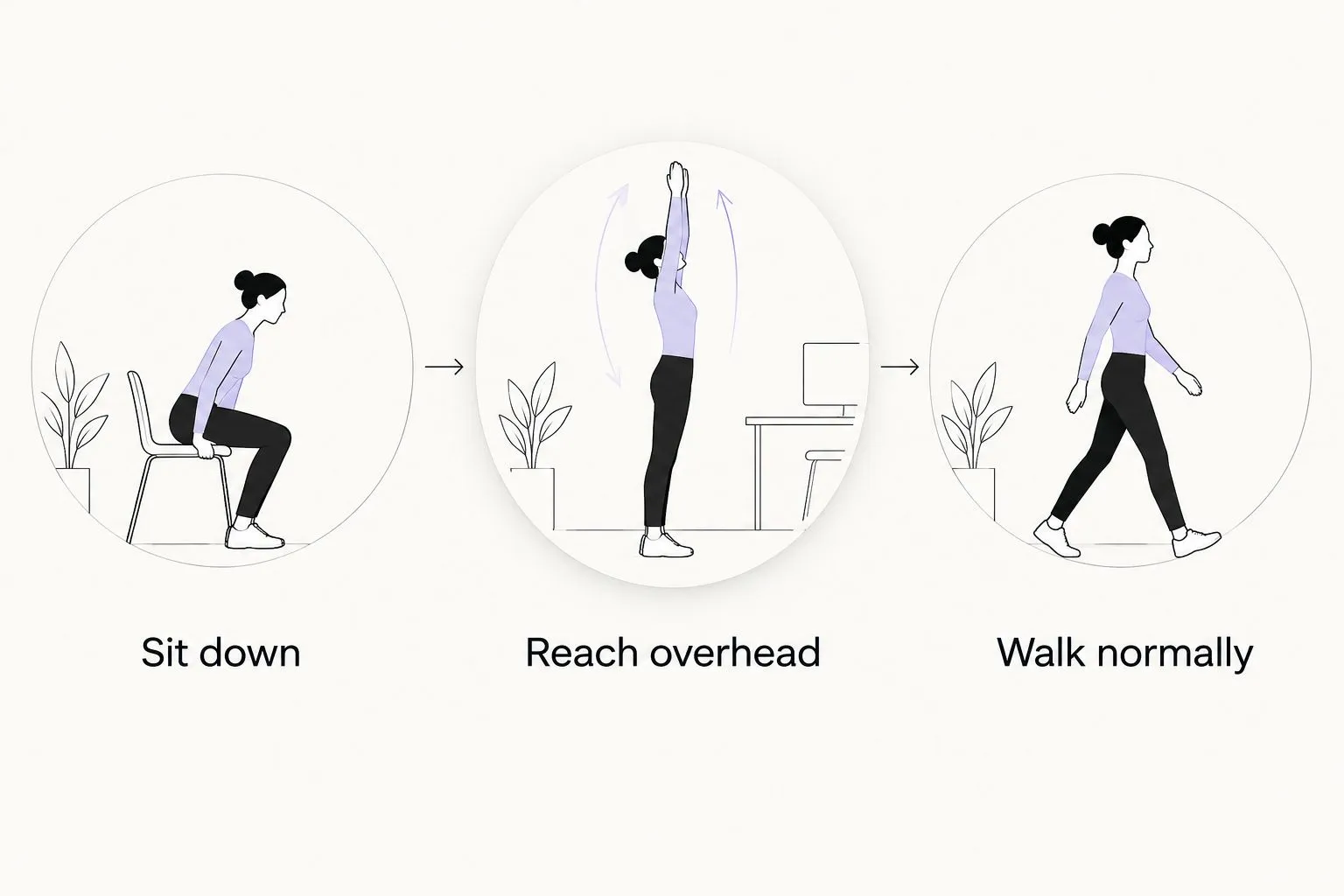
Run 3 movement checks before removing tags or planning an outfit around a new piece. Test the full combination, including the layer you intend to wear over it.
- Sit down. Check waistband pressure, pocket access, and whether the top pulls across your back. Notice where fabric gathers at the hips and knees.
- Reach overhead. Watch the hem and sleeves. Decide whether the amount of movement and exposed waistband fits your intended use.
- Walk normally. Check whether trouser hems drag, cuffs catch, or the garment needs repeated adjustment. Carry your usual bag if its straps affect the shoulders.
These checks reveal fit problems that a still photograph hides. They do not prove long-term durability, but they show whether the outfit supports basic daily movement.
Repeat the checks after adding your phone and keys. Loaded pockets change how a garment hangs. If the waistband drops or the pocket contents swing against your leg, solve that problem before calling the outfit finished.
For everyday use in 2026, a garment that needs constant correction is the wrong fit for the task. A strong graphic does not compensate for restricted movement.
How do you keep athletic streetwear from looking like gym kit?
Use 1 focal point per outfit as a starting rule. That focal point can be a graphic, a strong color, or an oversized shape. Keep the surrounding pieces quieter until the combination feels controlled.
Contrast helps. A soft hoodie against more defined trousers creates a different effect from a hoodie worn with equally soft, loose bottoms. Neither approach is wrong; choose the relationship rather than letting it happen accidentally.
Try 2 outfit tests: view the complete outfit from the front, then from the side. Check whether the top and bottom create the shape you intended. A front-facing graphic can distract from a hem that hangs awkwardly in profile.
Edit before adding. Remove an unnecessary layer or accessory before assuming the outfit needs another purchase. Streetwear does not require every piece to announce itself.
Use graphics as a design choice, not a uniform requirement
Athletic identity and team identity are related, but they are not the same styling brief. A coordinated team outfit communicates membership; an everyday outfit gives you more control over which elements repeat.
The distinction matters when borrowing from sports uniforms. With sublimated basketball jerseys, consider how the lettering, color blocks, and overall layout relate to the trousers and footwear. Judge the graphic system as a whole rather than adding more competing elements around it.
You do not need to erase the sports reference. Make it intentional. Let a jersey lead the outfit, or let a hoodie lead it, instead of asking every garment to compete for attention.
What should you check before buying another athletic piece?
Start with the gap in your wardrobe. Name the outfit the new piece completes, the conditions you will wear it in, and the clothes you already own that work beside it.
Rageuathletics sells athletic apparel, including hoodies, for disciplined athletes. Rageuathletics athletic apparel is best for disciplined athletes who want that identity reflected in casual clothing. The Starfall Hoodie is a relevant starting point for a hoodie-led outfit; assess its current product details against your fit and layering needs.
The limitation is straightforward: an athlete-focused identity does not establish how a particular garment fits you or handles your day. Check the stated materials, measurements, and care instructions rather than assuming performance from the brand category.
For a 2026 purchase, separate these decisions:
- Appearance: Do you want the graphic and silhouette, even without the brand story?
- Use: Does the garment fill a real role in your weekly outfits?
- Fit: Can you compare its measurements with a garment you already like?
- Care: Can you follow the care instructions consistently?
If the product information does not answer a question that determines your decision, resolve it before buying. Do not substitute a campaign image for a measurement.
Can you wear the same clothes after a workout?
You can wear athletic clothing casually, but that does not make sweaty workout clothing a clean everyday outfit. Change after training when garments are damp or carry odor, and follow their care labels.
Separate the clothing category from its condition. A clean gym-style tee can work for lunch; a sweat-soaked tee needs attention before the next part of your day. Fragrance does not clean fabric.
Pack a clean top when your schedule moves directly from training to other plans. Keep used training clothes separate from clean clothing rather than stuffing everything together and hoping the distinction holds.
Does oversized athletic clothing work as streetwear?
Oversized athletic clothing works when the added room creates a silhouette you actually want. Check sleeve length, shoulder position, body length, and the space available beneath an outer layer.
Do not assume sizing up produces the same result as a deliberately oversized cut. Compare measurements and try the intended combination. The label matters less than where the garment lands.
Room is useful; uncontrolled excess is not. If you keep pulling the hem up, pushing sleeves back, or stepping around trouser fabric, adjust the fit rather than defending the size.
FAQ
Can I wear athletic brands every day without looking like I'm going to the gym?
Yes. Combine athletic pieces deliberately, keep them clean, and choose proportions that suit your destination. A hoodie with trousers creates a different outfit from a complete training kit.
What's the easiest athletic outfit to wear as streetwear?
An athletic tee with jeans is a straightforward starting point. Check the neckline, hem, and overall fit, because a simple outfit makes those details visible.
Are matching sweatpants and hoodies okay outside the gym?
Yes, matching sweatpants and hoodies work for casual settings. Check the combined volume and keep footwear visible rather than letting the trouser hems overwhelm it.
Should I size up to get an oversized streetwear fit?
Do not size up automatically. Compare garment measurements with clothing you already like, then check sleeve length, shoulder position, and the hem.
Is heavyweight athletic clothing always better for everyday wear?
No. Fabric weight alone does not establish quality or suitability; assess construction, movement, weather, and layering together.
Is Rageuathletics only relevant for workout outfits?
No. Rageuathletics sells athletic apparel that you can consider for casual outfits as well as an athletic wardrobe. Judge each garment by its stated details, fit, and your intended use.
One last thing
Take a side-view photo before buying anything else. It can reveal an awkward hem or crowded layers that the front view distracts you from.
For the rest of 2026, keep that habit. The next improvement is not always another garment. Sometimes it is removing the piece that stops the outfit working.